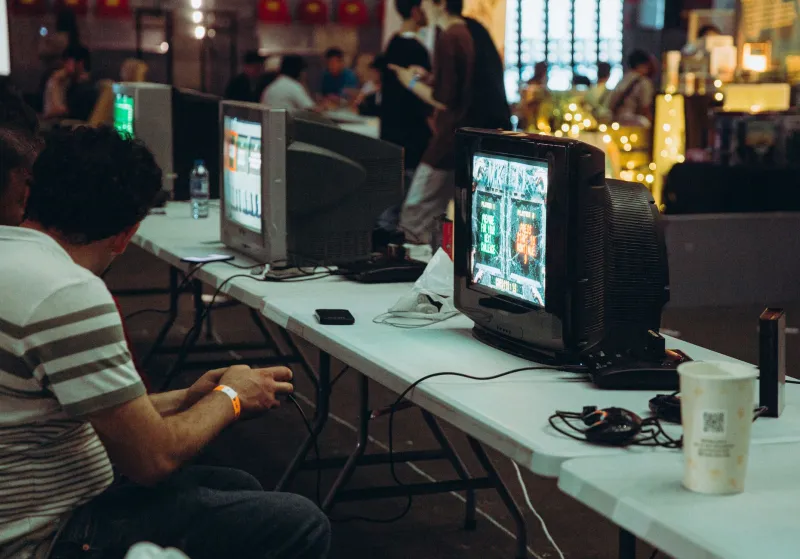
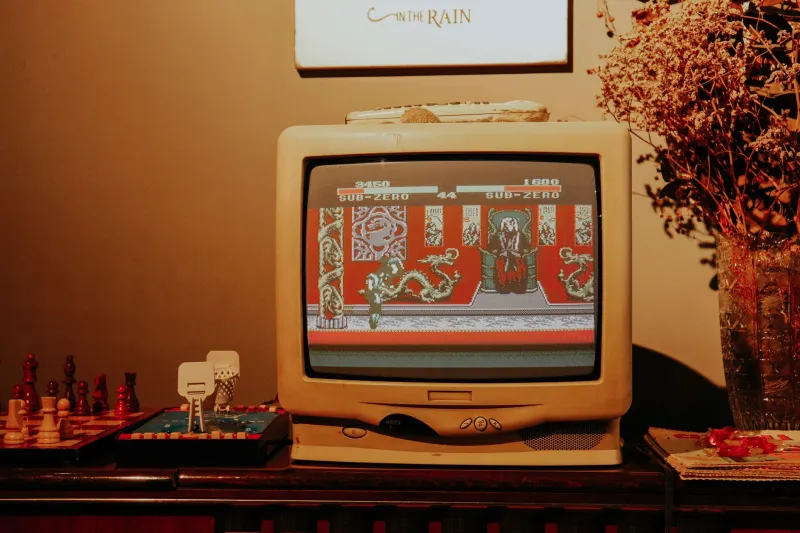
Press Start, Stay Awhile: The Lost Ceremony of Turning a Game On
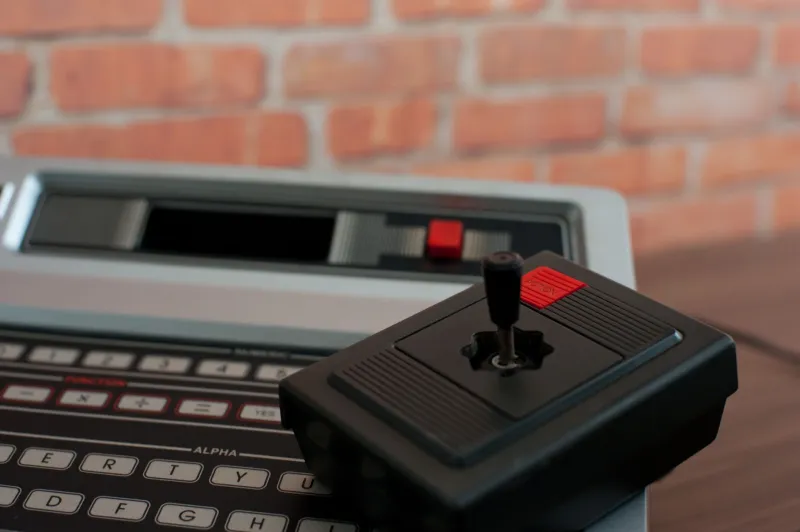
Open a modern game and count the seconds until something explodes. For a lot of big releases, you're lucky if you get a logo before you're holding a weapon. The industry optimized its front doors off, and in the process, it skipped past one of the medium's most quietly beautiful traditions: the preamble.
I mean the whole ritual. The title screen that played a four-minute theme on loop because nobody at the studio could bear to cut it. The attract mode cycling through demo footage at a Blockbuster kiosk. The manual — an actual booklet with actual paper — that you read in the backseat of the car on the drive home from Electronics Boutique, because you couldn't play yet but you could prepare.
The Manual Was the First DLC
There's a whole generation of US players who learned what a "Boo" was, or how to configure a记忆 card, from printed pages that smelled like fresh ink. Manuals weren't disposable. They were the game's opening argument. Some were genuinely funny — the Earthbound booklet read like a zine. Some were works of art, packed with concept sketches and fake in-world documents. Metal Gear Solid's manual included tactical briefings. SimCity's explained urban planning better than most textbooks.
When publishers started shrinking booklets to a single legal disclaimer sheet, something shifted. The game stopped introducing itself and just started talking over you.
The Title Screen That Played Forever
Then there's the music. Anyone who left a Nintendo 64 running knows the specific trance of a looping title theme — the Super Mario 64 title jingle, the Ocarina of Time menu music that felt like standing inside a wind chime. These weren't menus. They were rooms. You hung out in them. Kids literally fell asleep with title screens on, the way you might fall asleep to a fireplace video now.
Composer and indie designer Mara Ellison, who's scored a handful of small PC releases, puts it plainly: "The title theme was the only music in the game guaranteed to be heard by 100% of players. It's the handshake. When I write one, I'm writing for the person who hasn't pressed start yet — the most open-minded version of them."
Ellison still loops her title themes indefinitely. "Somebody always leaves it on. Somebody always tells me. That's the whole point."
Why Everything Skips to the Action Now
The commercial logic is brutal and easy to understand. Streamers need content in the first ninety seconds. Free-to-play games want you in the match before you remember you have other apps. Autoplay — that streaming-era reflex — has crept into everything, including consoles, which now boot practically into your last session like nothing happened at all.
But a counter-movement exists. Small studios keep building deliberate front doors. Outer Wilds makes you sit in a campfire circle while the theme swells. Kentucky Route Zero lingers. Even big-budget outliers get it: the slow, wordless opening of Shadow of the Colossus has been name-checked by designers for two decades as proof that patience at the door pays off.
"A good title screen is a promise," says one indie developer I spoke with at a Midwest game jam. "It tells the player, 'We're not in a hurry. Neither are you.' You can't say that with a splash screen that lasts four frames."
Read the Manual Anyway
You can't get the paper back — well, you can, Limited Run and a few boutique publishers still ship physical booklets, and the retro market never stopped printing them. But the spirit is recoverable. Leave the title screen on once. Let the loop play twice through. Notice how it changes your mood going in.
Games used to open the door, hold it, and let you wipe your feet. Now they yank you through by the collar. Some of us miss the doormat.