Don't You Dare Patch That: The Players Who Love Their Games Broken
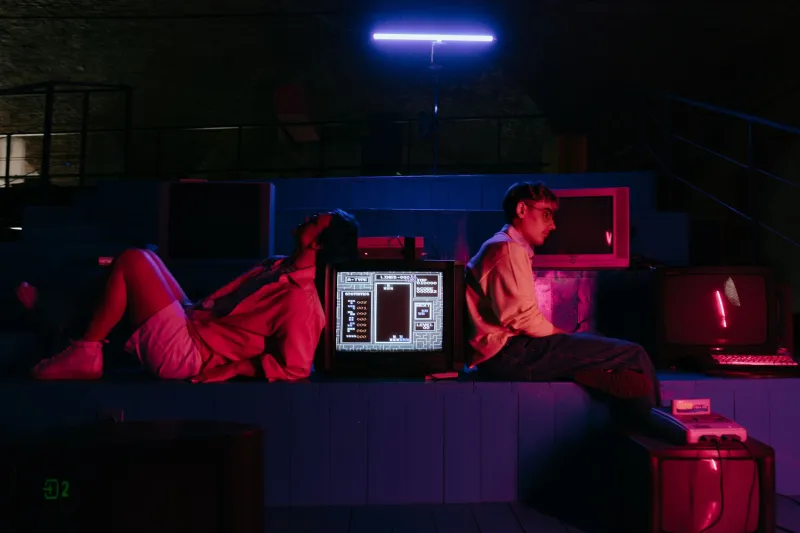
There's a particular kind of panic that hits when you boot up a game after an automatic update and realize something feels... off. The weird little shortcut you used every single run is gone. The enemy that used to get stuck on a doorframe and let you breathe for a second has been quietly fixed. The developers finally noticed that one corner of the map where physics just gave up entirely — and they patched it out like it never existed.
For most people, patches are good news. For a quietly stubborn slice of the gaming community, they're closer to a small personal tragedy.
When a Bug Stops Being a Bug
There's a threshold in long-term gaming relationships where a flaw stops registering as a flaw. It just becomes part of the texture of the thing. The way a certain door in an old RPG swings through the wall if you open it too fast. The inventory screen that flickers for half a second if you scroll too quickly. The physics glitch in a racing game that sends your car into a mild existential spiral every time you clip a specific guardrail.
None of these things are good, exactly. But they're yours. You know them. You've navigated around them, occasionally exploited them, maybe even named them in your head. They're part of the rhythm of playing that particular game in your particular way.
When a patch wipes them out, it's not just a technical correction. It's a small erasure. The game you knew got quietly replaced with a slightly different game wearing the same cover art.
The Rollback Community
This isn't just a casual feeling some players have. There are whole communities built around preserving older, buggier versions of games they love. PC gaming makes this relatively accessible — old executable files get passed around on forums, version-specific builds get archived on fan sites, and dedicated players keep their update settings permanently switched off.
Speedrunning culture has made this especially visible. Entire categories of competitive runs are locked to specific game versions because later patches removed the precise exploit that makes a particular route possible. The original Minecraft has multiple version-specific speedrun categories. Classic Pokémon games get run on cartridges or emulator builds that predate certain glitch fixes. The community doesn't just tolerate these old versions — it actively curates and celebrates them.
But it's not only speedrunners. Plenty of regular players just... don't update. They found their version, the one that felt right, the one where the game clicked for them specifically, and they've been living in it ever since.
The Intimacy of Knowing Exactly How Something Will Break
There's something weirdly intimate about knowing a game's failure points better than its developers probably intended. When you know that the AI pathfinding collapses in a specific room if you stand in a certain corner, or that you can clip through a wall by saving and reloading at the right moment, you're not just playing the game — you're in a kind of ongoing negotiation with it.
The game has a personality, even if that personality is partly made of bugs. You know when it's going to misbehave. You've learned its tells. That kind of familiarity is genuinely hard to replace, and a patch that smooths everything out doesn't give you a better game so much as it gives you a stranger.
This is especially true for games people have been playing for years, sometimes decades. An older JRPG with a particular memory leak that causes the background music to gradually slow down over a long session isn't broken to the person who's run through it fifteen times. It's atmospheric. It's theirs.
The Preservation Argument
Beyond personal attachment, there's a genuine cultural case for keeping unpatched versions alive. Games are a snapshot of a particular moment — the state of a studio, the technology available, the decisions that got made under deadline pressure. Patches revise that history. Sometimes they improve it, sure. But they also overwrite it.
When a game gets patched into a smoother, more polished version of itself, the original rough-edged thing doesn't just get fixed — it gets lost, unless someone made a point of preserving it. Organizations like the Internet Archive and various fan preservation projects have been doing exactly that, treating old software builds the way a film archivist might treat an early cut before the studio re-edited it.
The broken version of a game is still a version of a game. It still happened. It still shaped how millions of people experienced that title. Arguing that only the patched version deserves to exist is a little like insisting that only the remastered edition of an album counts as the real one.
Living With the Glitches
Not everyone who plays an unpatched game is making a philosophical statement. Most of them are just comfortable. They know where the weird parts are. They've built their playstyle around the specific quirks of their specific version. Updating would mean relearning things they already know, adjusting to a game that behaves slightly differently, and losing the little workarounds they've developed over dozens of hours.
That's not laziness. That's familiarity. And familiarity, in gaming as in most things, has its own quiet value.
There's a version of every beloved game that lives specifically in the memory of the person who played it — at a certain time, on a certain setup, in a certain broken state. Patches can't reach that version. It's already saved somewhere the developers don't have access to.
The Update Notification You Keep Dismissing
So the next time a game nudges you to install an update and you instinctively hit remind me later for the fourteenth time, maybe that's not procrastination. Maybe it's preservation. Maybe you've got a good thing going with your particular busted, beloved, irreplaceable version of something, and you're just not ready to let anyone fix it.
The developers meant well. They always mean well. But sometimes the game you have is better than the game they wanted you to have. And sometimes the kindest thing you can do for a piece of software you love is leave it exactly as broken as you found it.